

Homophobia within the National Hockey League (NHL), and many other sports leagues, is something that’s been around since inception in 1917. Sophia Perrault with the Michigan Daily says, “The NHL’s 108-year history has never included an openly gay player… in a social media poll, respondents voted the league as the most anti-LGBTQ+ out of the Big Four men’s sports.” In 2023, the league banned pride tape, a tradition that was part of pro ice hockey for several years to symbolize the sport’s pledge to be welcoming and inclusive. Many people, including fans and members of the NHL, claimed the league’s decision was a step backwards, with some of the more influential players expressing their disappointment. “I’ll use the tape… if I have to buy it myself, I will,” Philadelphia Flyers forward, Scott Laughton, said to NPR news. However not many players agreed with Laughton’s sentiment, claiming that while they disagree with the ban, they will respect the league’s rules. Affirming the league’s unwillingness to be inclusive. In the past couple years, there haven’t been many positive connections between the NHL and the LGBTQIA+ community, until “Heated Rivalry”. Since its release, multiple headlines have been made tying in with “Heated Rivalry”. On January 13th, hockey player Jesse Korteum came out with a public statement on Facebook, writing that “…lately, something has sparked in me (ok — yes credit to #HeatedRivalry). I realized it is finally time to share a journey I have kept close to the vest for a long time.” Korteum continued on to speak about his struggles of coming out and how “many closeted and gay men in the hockey world are being hit hard” by its success. In just two months, this show is building bridges between gay men and one of the biggest sports in the world.
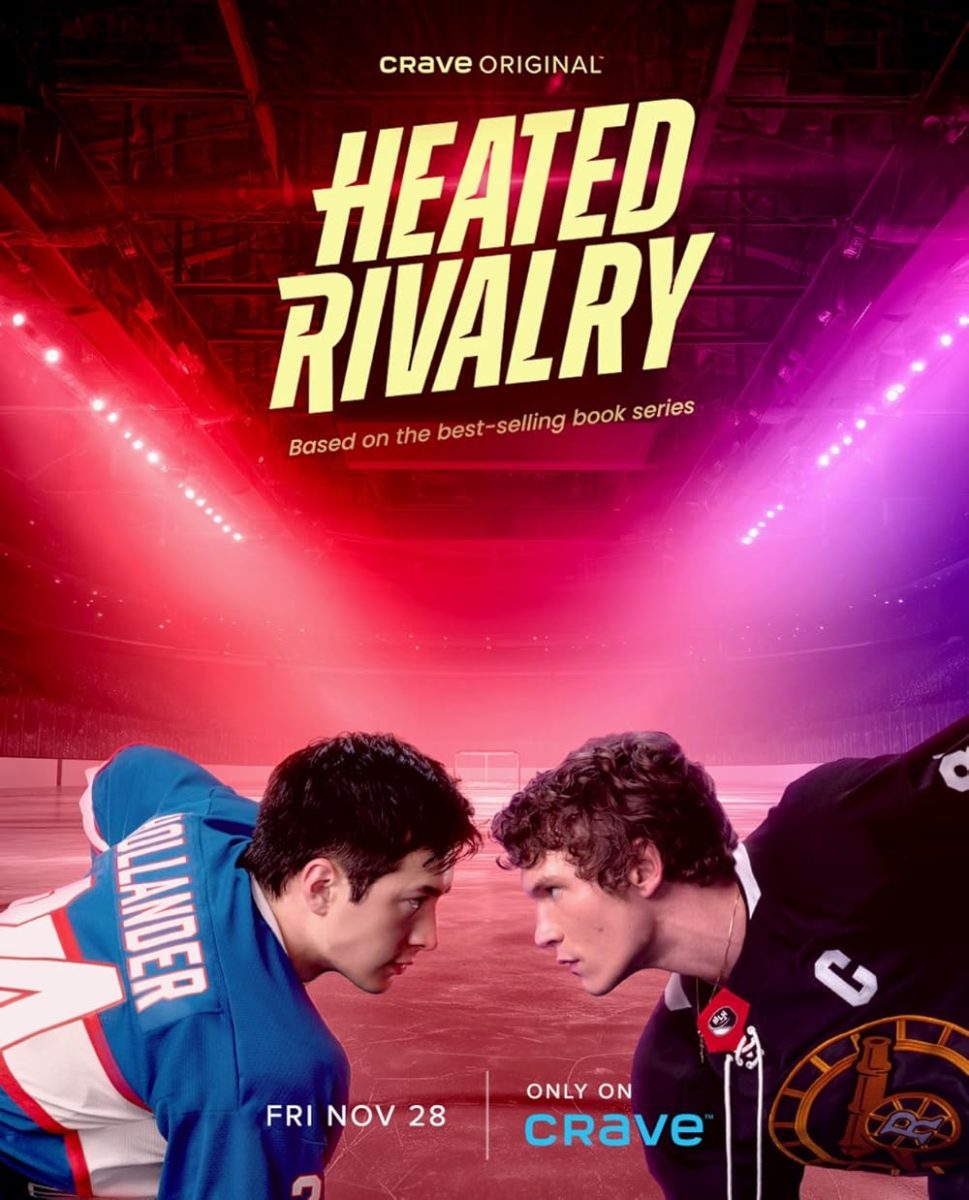
It follows two rival hockey players, Canada’s Shane Hollander and Russia’s Ilya Rozanov, whose on-ice rivalry hides the truth of their very passionate, secret romance that continues over several years. Having based it on the original “Game Changers” series written by Rachel Reid, the creator, writer, and director, Jacob Tierney, headed the TV adaptation. The show has received critical acclaim, with watchers praising the directing, writing, and lead actors’ chemistry and ability to completely bring the characters from the book to life. It received such great reviews at its premiere that streaming services felt it needed to be shared around the world. In just three weeks, it became Crave’s most watched original series to date and HBO Max’s top debut for a non-animated show since the service’s launch in 2019. David Mack with Slate described it as “a global sensation” and “a breakout critical hit.” In December 2025, less than a month after its release, it was renewed for a second season that will continue to follow Reid’s storyline.
“Heated Rivalry” is also working to break down barriers within the NHL and bring a completely new fan base to the sport. The show focuses a lot on the romantic aspect but also throws out many comments about sexuality in general, working towards representation for gay men in sports and recognizing the challenges they face. Episode three of the six part series pivots away from Shane and Ilya’s storyline and focuses more on another couple from the series, Scott and Kip. While the former experience a tense, volatile, and complicated relationship, “Skip,” as many fans on social media have started to refer to them, have a softer and more domestic approach. However, a large obstacle they face is Scott’s fear of coming out and still being able to keep his status in the league. At the end of their episode, the relationship has fallen apart due to Scott’s unwillingness to present Kip to the public. Viewers don’t get to see much after that, but in the second to last episode, their relationship does work out.
In the character’s speech at the “MLH” awards, Scott talks about coming out and the support he received from fans, many of which are young and found it very meaningful. Even though the events of the show are made up, they heavily reflect real life and how people seeing similarities of themselves in celebrities or influencers, especially those part of minority groups, can help them feel seen and better about themselves. He goes on to say, “When I was a teenager I realized I might be that thing that hockey players like to throw around as an insult. The kind of language I heard on the ice and in the locker room was a constant reminder that I was different.” This entire scene is a comment on what men face every day in the NHL and other sports, and this call-out has brought forth an issue that is rarely commented on. GRHS senior, Zach Yona, talked about finding common ground with his own father because of the show. “He likes hockey, and he knows I’m gay,” Yona began, a playful smirk showing as he reminisced on the moment. “He hasn’t watched the show but he recommended it to me because of that.” Along with bringing communities together, the show is also making connections within families.
While the NHL has yet to directly speak about the discrimination issues “Heated Rivalry” has brought out, they are recognizing that it’s bringing a completely new fan base to the sport. A rep told Today that “in the NHL’s 108-year history, this might be the most unique driver for creating new fans.” The Boston Bruins, the real life counterpart for the “Boston Raider’s” in the series, took to X to shoutout the show with the caption “Heated Rivalry,” including a fire and strong arm emoji, when they played the Montreal Canadiens, the real version of the “Montreal Metros.” Even the “Empty Netters” podcast, hosted by former NHL brothers Dan and Chris Powers, gained significant traction for their reviews of the “Heated Rivalry” episodes. While it doesn’t completely erase the discrimination that’s been faced, the commotion that the show has brought towards hockey has started to bridge the gap between NHL and the gay community.